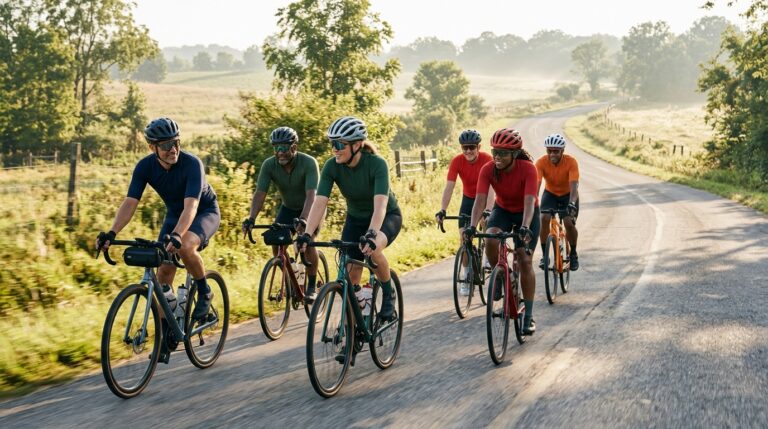

Smart cycling safety in 2026 is becoming more practical and connected. Riders now have access to rearview radar, brighter smart lights, live GPS location sharing, incident detection, cameras, and navigation tools that can improve awareness before and during a ride.
Technology has not replaced basic riding skills. A helmet, a roadworthy bike, predictable riding, route planning, and good visibility still matter. Newer devices simply add another layer, especially on busy roads, solo rides, early-morning training sessions, and group rides that spread out over several miles.
This trend is especially visible in 2026. Garmin introduced a radar tail light that can identify vehicle size, side-to-side movement, and relative threat level, while professional cycling is putting more attention on real-time GPS rider tracking. The UCI has also said it wants dedicated systems that can monitor riders and race vehicles in real time at professional road events.
If you are building a safer riding routine, start with the basics and then add technology that solves a real problem. BikeClubs.net can help you find cycling clubs, explore group rides and cycling events, review cycling routes and guides, and browse cycling resources.
Why Cycling Safety Technology Is Trending in 2026
Cycling safety technology is gaining attention because it addresses several common concerns at once. Riders want to know what is approaching from behind, be easier for drivers to see, and let trusted contacts know where they are. Groups also want better ways to manage routes and separated riders.
These tools cannot prevent every crash. They work best when they support good decisions instead of encouraging a false sense of security. A radar alert can tell you a vehicle is approaching, but you still need to look before changing position. Live tracking can share your location, but it does not guarantee immediate emergency help.
Rearview Radar Goes Beyond Basic Alerts
Rearview bicycle radar has been available for years, but the technology is becoming more detailed. Earlier systems mainly warned riders that vehicles were approaching from behind. Newer systems can provide more context and combine radar with brighter lighting, cameras, and cycling-computer alerts.
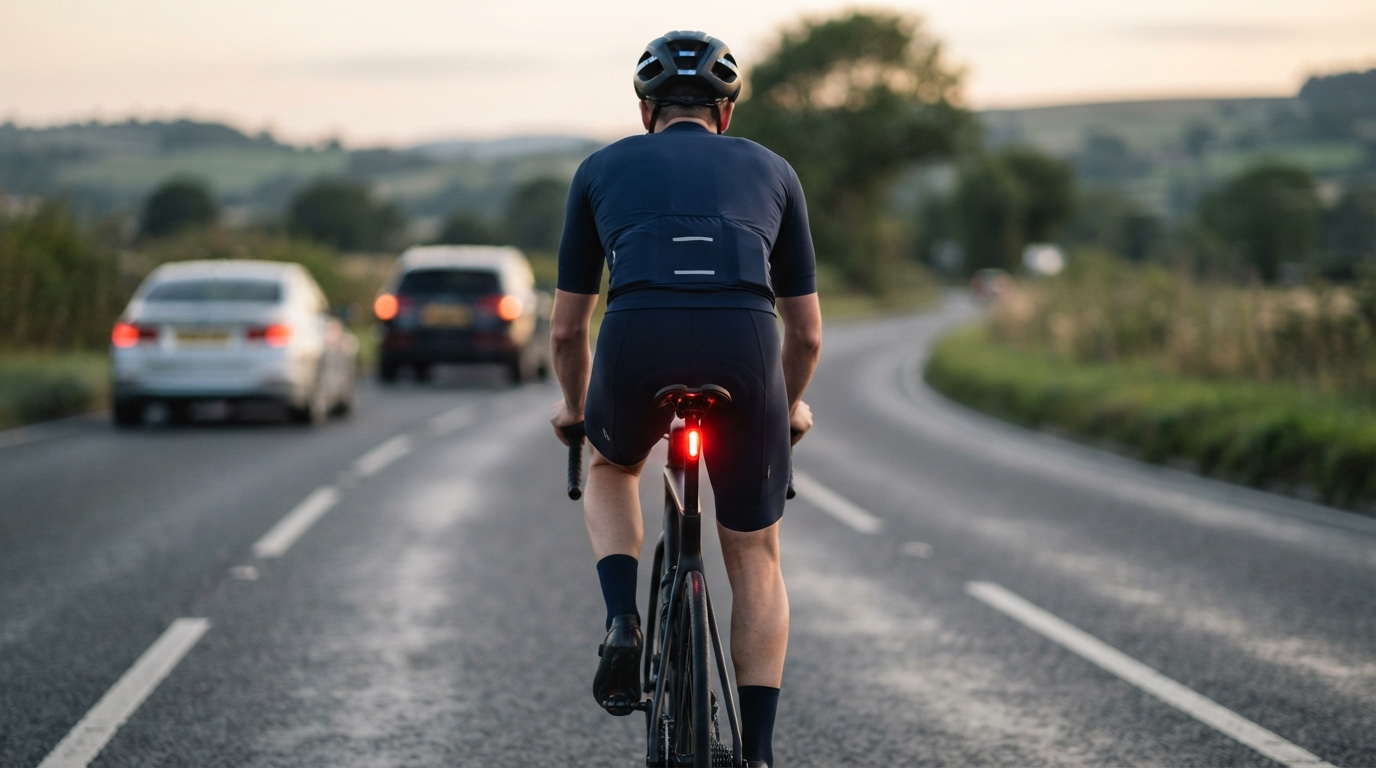
In February 2026, Garmin announced the Varia RearVue 820. According to Garmin, it can detect vehicle size, monitor side-to-side movement, and categorize threat levels as vehicles approach. Alerts can appear on compatible cycling computers or a smartphone app, and the light can act as a brake light when the rider slows or stops.
Radar Tail Lights Add Awareness, Not Immunity
Radar is best treated as another set of eyes, not as permission to stop checking your surroundings. Garmin’s safety guidance says rearview radar can improve situational awareness but is not a replacement for cyclist attentiveness and good judgment.
Use radar alerts to prepare for approaching traffic, then confirm conditions yourself before moving across a lane, passing another rider, turning, or avoiding an obstacle. Mirrors, shoulder checks, hearing, road position, and communication with other riders still matter.
This is also useful in a club setting. Ride leaders can encourage members to use technology without treating it as a substitute for group etiquette. If you are new to group riding, the BikeClubs.net club directory can help you find communities where you can learn signaling, pacing, regrouping, and road awareness.
Smart Lights Improve Visibility in Changing Conditions
Modern bicycle lights can offer different flash patterns, stronger daytime brightness, automatic changes in intensity, and integration with radar or cycling computers. Some systems can react when a cyclist slows down, while others can adjust to riding conditions.
The basic principle remains simple: make yourself easier to see. The U.S. National Highway Traffic Safety Administration recommends bright clothing during the day, reflective gear, and a white front light plus a red rear light and reflectors at night or when visibility is poor.
Daytime visibility matters too. Shadows, low sun, rain, fog, tunnels, tree cover, and busy visual backgrounds can make a cyclist harder to notice. A bright rear light and visible clothing can improve recognition before conditions become fully dark.
GPS Tracking Is Becoming a Safety Layer
GPS has traditionally been associated with navigation, speed, distance, and training. In 2026, its safety role is receiving more attention. Real-time location information can help trusted contacts follow a long ride and make it easier to notice when a rider has stopped unexpectedly.
In September 2026, the UCI said it wants a dedicated real-time safety system for tracking riders and vehicles across professional road cycling, beginning with WorldTour and Women’s WorldTour events. The organization had used GPS safety tracking at the 2025 Road World Championships and said it would use the system again at the 2026 championships in Montréal.
For recreational riders, Garmin LiveTrack can let selected people follow an activity in real time, while Strava Beacon allows riders to share their location with trusted contacts while recording an activity. These features can be useful on solo routes, long-distance rides, gravel adventures, and unfamiliar roads.
Live Location Sharing Helps Trusted Contacts
Location sharing works best when someone knows what to do with it. Before a long solo ride, tell a trusted person where you are going, your expected return time, and what route changes would be normal. Then share your tracking link if your device or app supports it.
Remember the limitations. Tracking can depend on battery life, GPS reception, phone connection, and data coverage. Garmin states that its safety and tracking features are supplemental and should not be relied on as the primary method of obtaining emergency assistance.
For remote riding, download your route for offline navigation and know where services are located. The ideas in our bikepacking gear trends 2026 guide are especially useful when a ride moves beyond reliable services or mobile coverage.
How to Use Safety Tech Without Losing Basic Skills
The best safety setup is not necessarily the one with the most electronics. It is the one that helps you notice hazards sooner, communicate clearly, remain visible, and make better decisions without becoming a distraction.
Start by identifying the problem you want to solve. If you ride busy roads, rear radar may be useful. Most rides happen before sunrise or after work, lighting and reflective equipment may matter more. You regularly ride alone, live location sharing could be a priority.
Build a Practical Safety Stack for Real Rides
A practical cycling safety stack begins with the bicycle itself. Check tire condition and pressure, brakes, drivetrain, wheel security, lights, and loose accessories before leaving. Wear a properly fitted helmet and clothing appropriate for the conditions. Plan routes that match your experience and favor lower-traffic roads, bike lanes, or paths when possible.
NHTSA’s bicycle safety guidance recommends route planning, visibility equipment, and staying focused and alert to traffic. Those habits should remain the foundation even when a rider uses radar, cameras, GPS, or automatic incident detection.
Start With Visibility, Then Add Tracking and Awareness

If you are upgrading gradually, begin with equipment that improves basic visibility. A dependable front light, rear light, reflective elements, and a helmet support almost every type of outdoor ride. Next, consider navigation and location sharing if you ride alone or travel farther from familiar roads. Radar can add another layer for riders who spend significant time around motor traffic.
Before relying on any device, learn how it behaves. Test alerts on a familiar route, understand battery life, check whether a feature requires a smartphone connection, and learn how to share a tracking link. Keep firmware and apps current, but avoid changing important settings immediately before a major ride.
Group rides are a good place to practice these habits. Browse upcoming rides and cycling events to gain experience around other riders. If gravel is becoming part of your riding, our guide to gravel cycling in 2026 explains why mixed-surface clubs and group rides are expanding.
Smart cycling safety in 2026 is about combining useful technology with strong fundamentals. Radar can increase awareness of approaching traffic. Smart lights can improve visibility. GPS tracking can help trusted contacts follow a ride. Yet the cyclist still has to observe, communicate, plan, and make the final decision.
Choose tools that fit how and where you ride. Test them before you depend on them, maintain the basics, and keep your attention on the road. The smartest cycling technology is most valuable when it helps you become a more prepared and aware rider rather than a more distracted one.