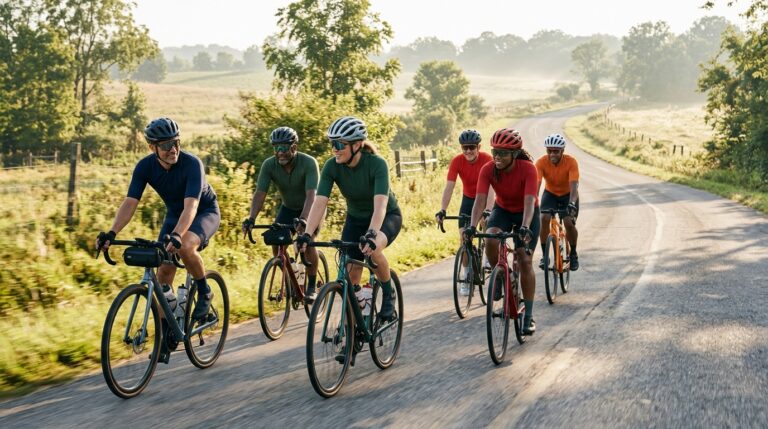

Bikepacking gear trends in 2026 are moving in a practical direction. Riders still care about low weight, but the biggest changes are about making loaded bikes easier to live with. More setups now focus on stability, fast access, modular bags, better cargo placement, and gear that works with different frame sizes instead of forcing every rider into the same classic seat-bag-and-handlebar-roll formula.
Bikepacking now covers everything from one-night gravel trips to remote multi-day routes, hotel-based rides, and technical mountain-bike adventures. A setup that works for one trip can be frustrating on another.
Current 2026 guidance from Adventure Cycling Association points to the rise of racks, cargo-cage racks, quick-release fork bags, modular systems, and gear designed around the rider and bike. The goal is simple: carry what you need with less sway, less repacking, and fewer compromises.
If you are moving from day rides into overnight adventures, start by exploring BikeClubs.net cycling routes and guides. You can also use the cycling clubs directory to connect with riders who already know the local terrain, weather, water stops, and camping options.
Bikepacking Gear Trends Shaping 2026
The most useful bikepacking changes are not flashy. Instead, manufacturers and riders are solving everyday problems: limited tire clearance under large seat bags, small frame triangles, dropper-post interference, awkward straps, and bags that are difficult to remove in bad weather. This is why many of the strongest bikepacking gear trends in 2026 center on smarter storage rather than simply lighter materials.
More Riders Are Choosing Stable Cargo Systems
The classic large seat bag, frame bag, and handlebar roll still works for light travelers. However, it can be awkward on small frames, large wheels, rear suspension, or dropper posts, and oversized seat bags can sway when poorly packed.
As a result, racks are returning in a more refined form. Lightweight and universal-mount systems can create stable platforms for dry bags, mini panniers, or cargo cages, even on bikes that lack traditional rack eyelets.
Racks Are Back—But Smarter and Lighter
One of the clearest 2026 trends is the continued rise of rackpacking. A rack can add useful capacity without forcing all the weight into a tall seat bag. It can also make loading easier because the rider does not need to compress everything into one narrow shape.
Cargo-cage racks add mounting points for small dry bags, bottles, or compact cargo. They give riders more freedom to spread weight around the bike, which can improve balance on rough terrain.
Not every rider needs a rack. Minimalists may still prefer a light seat bag, while smaller frames, dropper posts, bulky gear, or longer trips can favor extra structure. The smarter choice depends on the bike and route.
Quick-Release Bags Reduce Daily Friction

Another major shift is convenience. Traditional cargo cages and straps are reliable, affordable, and flexible, but they can become annoying when riders remove and reinstall bags several times a day. Quick-release fork bags and dedicated rack-top systems are designed to reduce that routine.
A rider can detach a quick-release bag and carry it into a tent, hotel room, or sheltered area. That is useful in rain and when valuables, warm layers, or electronics need to stay close.
The trade-off is compatibility. Some quick-release systems use specific mounts, while ordinary cages and straps can work with many different dry bags. Therefore, riders should think beyond convenience before choosing a system. If your trips vary a lot, a more universal setup may be better. If you often stop at lodging or camp in wet conditions, quick removal can be worth paying for.
Modular Packing Is Replacing One-Setup-Fits-All
Bikepacking is becoming more modular because riders are taking different kinds of trips on the same bike. A weekend overnighter may need only a small seat bag and handlebar roll. A cold multi-day route may require more clothing, food, water, and repair gear. A hotel-based trip may not need camping equipment at all.
Modular systems let riders change capacity without rebuilding the whole setup. Removable handlebar bags, fork bags, rack-top packs, or mini panniers can be added only when needed. Gear can also be grouped by purpose, which makes packing easier.
Match Your Bags to Your Bike and Trip
Adventure Cycling’s 2026 bikepacking guidance emphasizes that bike size, trip style, and personal preference should guide the setup. That is a useful rule because bag capacity is limited by geometry. A small frame may have little space above the rear tire. A dropper post reduces room for a large seat bag. A full-suspension bike may also need extra clearance as the rear wheel moves through its travel.
A rear rack can make sense when you need more capacity or have limited saddle clearance. A medium seat bag can make sense when you pack light and want a simple setup for rough terrain. Full-frame bags can maximize storage, while partial-frame bags can preserve space for bottles. Similarly, rigid handlebar cradles can help control sag, while softer harness systems may save weight.
Water deserves separate planning because it is heavy. Place dense items low and near the center of the bike when possible. The frame triangle, down tube, and fork are useful places for water, tools, and electronics.
For more preparation ideas, review the BikeClubs.net cycling resources. If you are still choosing between gravel and mixed-surface riding styles, the earlier guide on gravel cycling in 2026 can also help you understand why more riders are combining unpaved routes with community rides and longer adventures.
How to Build a Smarter Bikepacking Setup
The best setup is not the one with the most expensive bags. It is the one you can pack quickly, ride safely, repair in the field, and adjust as conditions change. Start with your route. Then decide how much food, water, clothing, shelter, and repair equipment the route actually requires.
A short overnight near towns may allow a light setup. A remote route needs more capacity, while cold or wet weather can quickly add rain gear, insulation, and sleep-system bulk.
Pack for Reliability, Access, and Real Conditions
Think about when you will need each item. Tools, snacks, navigation, rain gear, and extra water should be easy to reach. Sleeping equipment can usually stay buried until camp. Electronics and warm layers should remain protected from water even if your bags claim to be weatherproof.
Carry repair items that match your bike. A basic kit may include a multitool with chain tool, tire levers, spare tube, patches or tubeless plugs, a pump, and a compatible quick link. Remote routes may justify extra sealant, brake pads, tape, or bike-specific spares.
Before a major trip, look for local rides and events that can serve as practice. A long gravel ride with your full luggage is more useful than discovering a packing problem 30 miles into a remote route.
Test the Loaded Bike Before the Big Trip

A loaded test ride is one of the simplest ways to improve a bikepacking setup. Pack the bike exactly as you plan to use it. Then ride on terrain similar to the real route. Check whether the bags move, whether your knees touch the frame bag, and whether a handlebar roll interferes with cables, lights, or controls.
Pay attention to handling. If the front feels too light or the rear feels unstable, move dense items closer to the middle. If food is hard to reach, change where it lives. Small adjustments can save frustration over several days.
The Adventure Cycling Association also recommends doing a practice pack and a loaded practice ride before departure. Its current 2026 guidance on bikepacking gear trends and packing systems is a useful reference when comparing racks, modular bags, fork storage, and other cargo options.
Ultimately, the strongest bikepacking gear trends in 2026 are making adventure cycling more adaptable. Riders have more ways to build around small frames, modern mountain bikes, gravel bikes, changing weather, and different travel styles. You do not need to follow every trend. Choose the ideas that make your bike more stable, your gear easier to access, and your trip easier to enjoy.
Start with a simple route, test your setup, and change one thing at a time. As your rides become longer, your packing system will evolve with them. That process is part of bikepacking: learning what you need, leaving behind what you do not, and building a bike that feels ready for the road ahead.