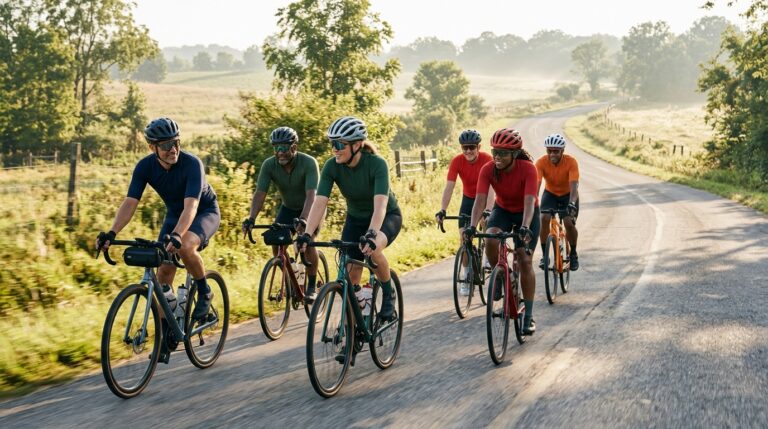

Gravel cycling in 2026 has moved far beyond a niche between road riding and mountain biking. It is now one of the most visible parts of modern cycling culture. Riders are choosing mixed-surface routes for adventure, lower-traffic riding, fitness, racing, and community. At the same time, clubs are adding gravel rides, events are expanding, and bike technology is becoming more purpose-built for rough roads.
The growth is easy to see at the international level. The 2026 Gravelking UCI Gravel World Series expanded to a record 47 events across 32 countries, showing how quickly organized gravel riding has spread. However, gravel is not only about racing. For many riders, the biggest appeal is simple: it creates more places to ride and more ways to meet people.
If you are curious about gravel, you do not need an elite bike or a race calendar. You need a safe route, a suitable setup, and a group that matches your pace. BikeClubs.net can help you find cycling clubs, explore rides and events, and discover cycling routes and guides that make getting started easier.
Why Gravel Cycling Is Growing So Fast in 2026
Gravel has become popular because it solves several problems at once. Road riders often want quieter routes and more variety. Mountain bikers may want longer days without highly technical trails. Newer cyclists may prefer a relaxed environment where pace matters less than exploration. Gravel can serve all three groups.
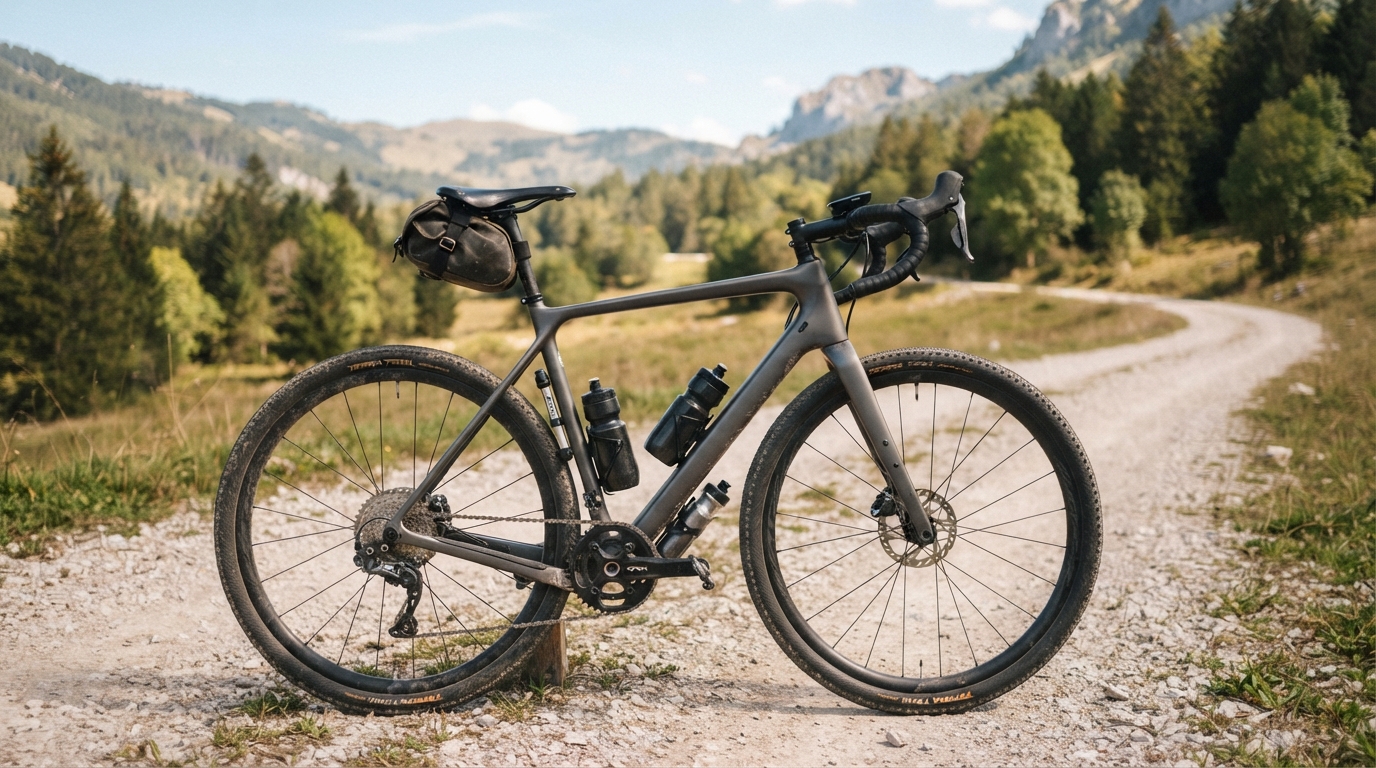
That flexibility is also changing the bikes themselves. Recent 2026 gravel designs show wider tire clearance, calmer handling, integrated storage, and more attention to comfort over long distances. Some race-focused models are becoming more aerodynamic, while adventure bikes continue to emphasize stability and carrying capacity. In other words, “gravel bike” no longer means one fixed type of machine.
Gravel Now Fits More Types of Riders
A major reason gravel cycling keeps growing is that riders can define the experience for themselves. One person may use a gravel bike for a 30-mile social ride on farm roads. Another may enter a 100-mile race. Someone else may load bags for a weekend bikepacking trip. The surface can range from smooth hardpack to chunky forest roads, so the discipline feels broad rather than restrictive.
This variety matters for cycling clubs. A club can offer a beginner loop one weekend and a faster endurance ride the next. It can also connect riders who own different bikes but enjoy the same mixed-surface routes. That makes gravel a useful bridge between traditional road groups, mountain bike communities, and adventure riders.
Wider Tires and Stable Bikes Build Confidence
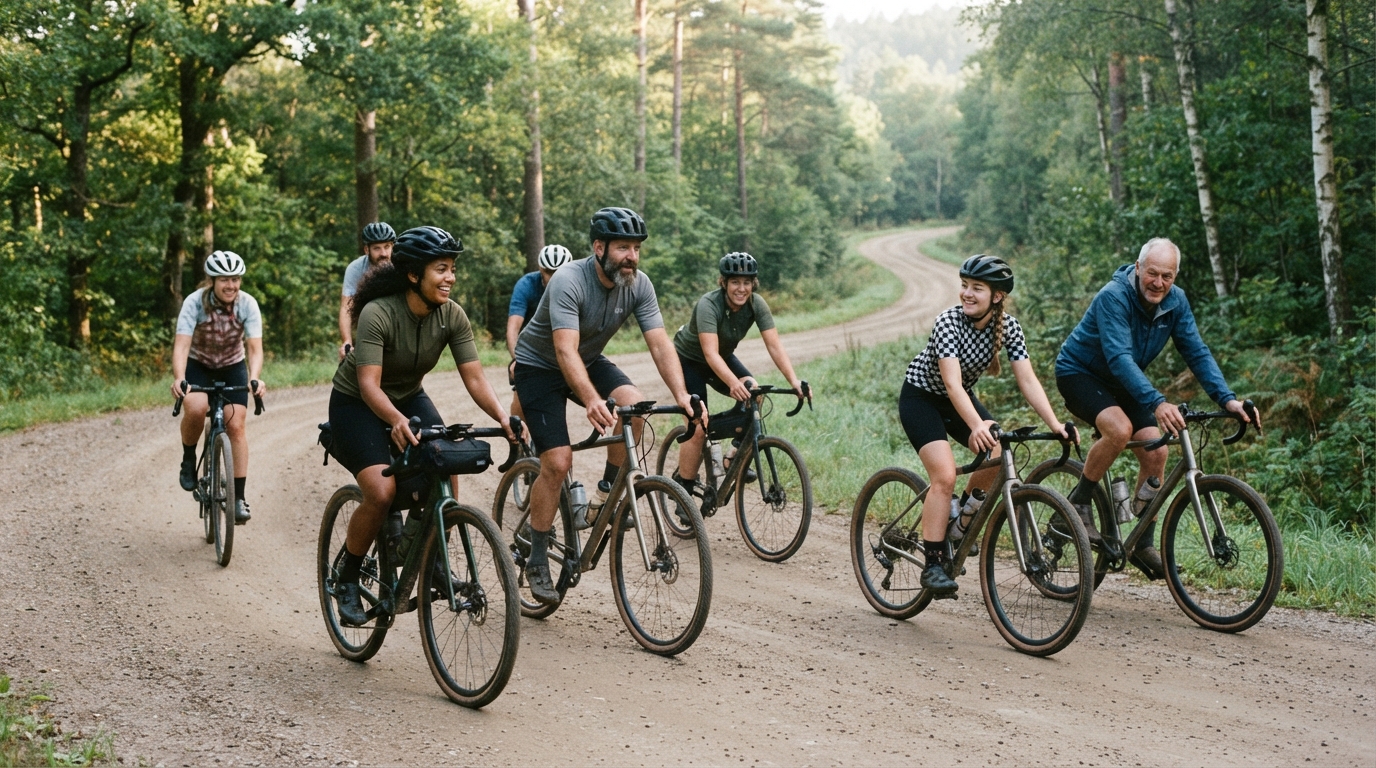
Equipment has helped make gravel more approachable. Wider tires can improve grip and comfort on rough surfaces, while stable geometry can make a bike feel calmer when the road becomes loose or uneven. Current 2026 gravel-bike development has placed greater emphasis on wider tires and stability, especially as riders push higher speeds on more demanding terrain.
That does not mean every rider needs the newest equipment. A reliable bike with adequate tire clearance, working brakes, sensible gearing, and properly inflated tires can be enough for many entry-level gravel routes. The best setup depends on surface conditions, distance, weather, and rider experience. If you are unsure where to begin, review the cycling resources section before buying more gear than you actually need.
Less Traffic Opens the Door to Exploration
Another major attraction is route choice. Gravel roads, fire roads, towpaths, country lanes, and mixed-use trails can move riders away from the busiest traffic corridors. That does not make every gravel route automatically safe. Riders still need to watch for vehicles, changing surfaces, blind corners, pedestrians, animals, and local access rules.
Still, the feeling of exploration is different. Instead of repeating the same paved loop, gravel riders can connect roads that once looked disconnected on a map. A short unpaved section may unlock a longer loop, a quieter climb, or a scenic destination. This is one reason route planning has become central to gravel culture.
Community Is Becoming Part of the Appeal
Gravel has a strong social side because the terrain naturally changes the rhythm of a ride. Groups may spread out on climbs, regroup at intersections, stop for mechanical issues, or pause at viewpoints. That can create a less rigid experience than a fast road paceline, especially on beginner and social rides.
At the same time, competitive gravel is growing quickly. The 2026 Gravelking UCI Gravel World Series includes amateur age-group riders as well as elite competition. That mix reflects a wider pattern in gravel: serious racing and community participation can exist in the same discipline without every rider chasing the same goal.
Clubs Make Gravel Easier to Start
Joining a club can remove much of the uncertainty from a first gravel ride. Experienced riders can explain tire pressure, basic repair needs, route etiquette, regrouping points, and what pace to expect. More importantly, a club can help a new rider choose a route that matches current fitness and handling ability.
Before joining, read the ride description carefully. Look for distance, elevation, expected speed, surface type, regroup policy, and whether the ride is marked as no-drop. If the details are unclear, ask the organizer. It is better to know the expectations before the group rolls out.
BikeClubs.net’s cycling club directory is designed around this type of discovery. Riders can look for road, mountain, gravel, racing, women’s, family, and social communities instead of guessing which local group is the right fit.
How to Get Started With Gravel Cycling in 2026
The easiest way to begin is to keep your first ride simple. You do not need to copy race setups or immediately plan an all-day adventure. Choose a manageable route with predictable surfaces, ride in good weather, and give yourself enough time to handle stops or mechanical problems.
Start with the bike you already own if it is appropriate for the route. Some endurance road bikes accept wider tires and can handle smooth gravel. Mountain bikes work well on rougher mixed-surface rides, although they may feel slower on pavement. A dedicated gravel bike can offer a useful balance, but it is not the only way to participate.
Choose the Right Ride, Route, and Setup
Your first decision should be the route, not the shopping list. Check distance, climbing, surface quality, water access, weather, and mobile coverage. A 25-mile gravel ride can feel much harder than a 25-mile paved ride if it includes loose climbs, washboard surfaces, or repeated technical sections.
Next, prepare for basic self-support. Carry enough water and food for the ride. Bring a tube or compatible puncture repair system, inflation device, tire levers, and a small multitool. Tell someone where you are going when riding alone. If the route is remote, download navigation for offline use and avoid relying on a single phone connection.
Start Simple and Build From There
For a first group ride, arrive early and introduce yourself to the ride leader. Mention that you are new to gravel if that is the case. Stay predictable, avoid sudden braking, and leave more space on loose surfaces than you would on smooth pavement. When visibility is limited, do not assume the road is empty.
After the ride, note what worked. Maybe your gearing was fine but you needed more water. Perhaps the tire pressure felt too high, or the route was more technical than expected. Small adjustments based on real riding are more useful than copying someone else’s setup.
Then build gradually. Try a longer social ride, a new surface, a local event, or a beginner-friendly bikepacking route. Explore upcoming cycling rides and events and use the routes and guides section to find new ideas. The goal is not to chase every trend. It is to find the kind of riding that keeps you excited to get back on the bike.
Gravel cycling in 2026 is growing because it gives riders choices. It can be competitive or casual, fast or exploratory, social or solitary. It opens more roads, brings different cycling communities together, and makes room for riders with different goals. Find a route that suits you, connect with the right people, and let the next unpaved turn lead somewhere new.